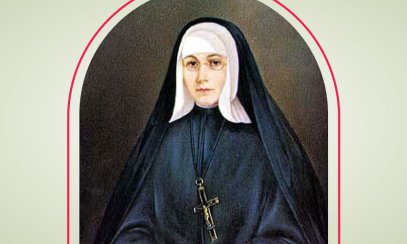

St. Adelaide of Italy
St. Adelaide of Italy
931-99 | Feast day: Dec. 16
St Adelaide of Italy, an empress of the Holy Roman Empire in the Middle Ages, is the main character in numerous operas and books from the 17th-19th centuries. The events of her life in the 10th century inspired great artists down through the ages including George Frideric Handel, whose three-act opera surrounding events in Adelaide’s life is titled Lotario.
Born in 931, Adelaide was one of the most influential and active women in medieval Europe. She is remembered for her generosity to the poor and for her strong faith; indeed, she is credited with contributing to the growth of Christianity in Europe. Adelaide restored and founded churches, abbeys and monasteries, and was closely tied to the Cluny Abbey in France, where the movement began to restore the rule of St. Benedict and rid monasticism of the secular influences that had crept in over the years.
Also known as Adelaide of Burgundy, she was married for strategic political reasons at the age of 15. After her husband’s rival poisoned her husband and then attempted to have Adelaide marry his son, she refused and fled Italy. The rival had her followed and eventually imprisoned her. After escaping from captivity, Adelaide petitioned Otto I, the Frankish king, for his protection.
Adelaide and Otto were married in 951 and subsequently returned to Germany. Several years later, Pope John XII simultaneously crowned Otto Holy Roman Emperor and Adelaide Empress of the Holy Roman Empire. She was the first German queen to have the title consors regni, meaning “co-bearer of royalty.” In her role Adelaide helped to strengthen the German Church and assisted her husband Otto in restoring the papal order under Pope John XIII.
In later years she retired to a monastery she had founded, and devoted herself to works of mercy and prayer. She died in 999 and was canonized by Pope Urban II in 1097. She is the patron saint of brides and of women and men who have experienced hardship in relationships or in marriages.